 (0)
(0)
Bottlebrush Buckeye (Aesculus)
Aesculus, the horse chestnuts and buckeyes, has a generous, almost ceremonial presence, whether seen as a broad-canopied tree or a smaller flowering shrub. The leaves are palmately compound, with leaflets radiating from a central point like a hand, and their early expansion can be lush and slightly tropical in feeling. On mature trees, the foliage casts a dense, cooling shade; on shrubby species, it gives the border a bold texture that contrasts well with finer woodland plants. The buds are often large and resinous, and the winter framework can look substantial even before spring begins.
Flowering brings the genus into its most public beauty. Upright clusters, often called candles, rise above or among the leaves in white, cream, pink, red, or yellow depending on species and cultivar, each individual flower marked with throats, stamens, and subtle color changes that reward close viewing. Later come the seeds, glossy and handsome within husks that may be smooth or spiny. They are visually tempting but poisonous if eaten, as are various parts of the plant, so their ornamental value belongs with appropriate caution. Wildlife relationships vary, yet many flowers are useful to pollinators, and the trees can anchor a garden with both shade and seasonal spectacle.
Aesculus often prefers deep, reasonably moist soil and can suffer in hot, dry, compacted, or polluted sites; some species also develop leaf scorch or foliar disease by late summer, especially under stress. That possible decline should be considered when placing the plant where a flawless August canopy is required. Still, few genera combine such handsome leaves, early architectural bloom, and polished seeds with the same sense of stature. In large gardens, park-like plantings, and woodland margins, Aesculus gives a feeling of shelter and amplitude, its spring candles rising from broad foliage as though the tree were briefly illuminated from within.
Because the leaves are large and the shade can be dense, underplanting should be chosen with care. Spring bulbs, tough woodland perennials, or groundcovers that complete much of their growth before the canopy closes often work best. In generous spaces, Aesculus becomes not just a flowering tree but a seasonal room-maker, enclosing the garden with broad, cooling foliage.
See photographs comparing average sizes of some bare roots and potted plants
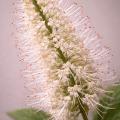 | Bottlebrush Buckeye {3-Gallon pot} 1 - 9: $182.47 each | 10 - 99: $173.35 each Bottlebrush Buckeye brings summer bottlebrush-style white flower panicles to shady gardens. This suckering shrub matures about 8-10 ft tall, with a broad, spreading form in rich, evenly moist soils. Temporarily out of stock. Expected date unknown. |