 (0)
(0)
Alder (Alnus)
Alnus, the alders, brings a practical and often overlooked beauty to damp ground, stream edges, and difficult soils. These deciduous trees and shrubs commonly hold toothed leaves on twiggy frameworks and produce catkins that appear before or with the leaves, giving the early season a fine, pendant texture. The female structures mature into small woody cone-like fruits that persist along the stems, adding winter detail without the heaviness of large cones. The overall effect is plain in the best sense: clean foliage, supple branches, and a readiness to inhabit places where more ornamental trees might fail.
One of the genus’s defining traits is its partnership with nitrogen-fixing actinomycete bacteria in root nodules, a relationship that allows many alders to colonize poor or wet soils and improve them over time. That ecological competence gives Alnus a quiet dignity in designed landscapes. It can stabilize banks, shelter wildlife, and create a cool green canopy beside water, while its catkins feed early pollinators and its seeds support birds. Some species have handsome gray bark or a graceful multi-stemmed habit, and their leaves often remain fresh-looking where moisture is reliable.
Alders generally prefer sun and consistent moisture, though tolerance varies among species; many endure periodic flooding, compacted ground, or infertile sites better than conventional ornamentals. Their vigor can be too much for small gardens, and some species seed or sucker freely in favorable conditions. They are not chosen for lavish flowers, but for atmosphere, function, and the calm of living green near water. In a landscape that values shelter and ecological depth, Alnus provides a smooth transition between cultivated ground and wilder margins, making damp places feel intentional rather than merely tolerated.
Alders can also make a young landscape feel settled because they establish quickly in places with sufficient moisture. Their modest flowers and persistent conelets create small winter details for close observers, while their broader value lies in shade, soil improvement, and bank stability. The genus is most beautiful where usefulness and natural grace are allowed to coincide.
See photographs comparing average sizes of some bare roots and potted plants
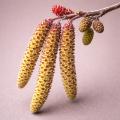 | Hazel Alder {3-Gallon pot} 1 - 9: $158.47 each | 10 - 99: $150.55 each Hazel Alder is a native, multi-stemmed alder with spring catkins and small cone-like fruits for winter interest. Grows 10-20 ft tall and thrives in full sun to part shade in moist soils. In stock. |
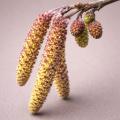 | Speckled Alder {3-Gallon pot} 1 - 9: $117.97 each | 10 - 99: $112.07 each Speckled Alder is a native wet-site shrub with speckled stems, spring catkins, and small cone-like fruits. Forms thickets in moist soils; reaches 15-25 ft tall and grows best in full sun to part shade. In stock. |