 (0)
(0)
Milkweed (Asclepias)
Asclepias, the milkweeds, combines ornamental color with ecological consequence. The plants are named for their milky sap, and many carry opposite or whorled leaves on upright stems that arise from deep roots, rhizomes, or crowns. The flowers are arranged in umbels and have a distinctive structure, with hoods and horns that make them unlike ordinary garden blooms. In color they may be orange, rose, purple, greenish white, yellow, or soft pink, and in many species they release a warm fragrance that draws attention before the eye has fully located the plant.
Milkweeds are essential host plants for monarch butterfly caterpillars, though they also serve many other insects through nectar, pollen, shelter, and seed. After flowering, pods develop and split to release seeds attached to silky floss, a beautiful late-season event that turns reproduction into visible movement. Some species are bold and coarse, some are fine and narrow-leaved, and some prefer wet meadows while others belong to dry prairie or sandy ground. That variety should be respected; the best ornamental effect comes when the chosen milkweed matches the site rather than being forced into an incompatible border.
Most Asclepias species resent transplanting once their deep roots are established, and many prefer to be grown from seed or planted young. Full sun is common for meadow and prairie species, while moisture needs vary from wet to very dry. The milky sap can irritate skin and is toxic if ingested in quantity, so handling and placement deserve care. In the garden, Asclepias offers more than pretty flowers. It brings fragrance, pollinator life, sculptural pods, and a visible connection between cultivated beauty and the living systems that depend on particular plants.
Seed dispersal can be managed without erasing the plant’s late beauty. Pods may be left until they begin to split, then edited where unwanted seedlings would be a problem. This allows the silky floss to remain part of the seasonal display while keeping the planting composed, a useful compromise between ecological generosity and garden order.
See photographs comparing average sizes of some bare roots and potted plants
 | Butterfly Milkweed {1-Gallon pot} 1 - 9: $51.47 each | 10 - 99: $48.90 each Butterfly Milkweed grows 24" tall, featuring vibrant orange blooms and narrow green leaves. It thrives in full sun, attracting butterflies and adding a bold splash of color to your garden. Temporarily out of stock. Expected date unknown. |
| Butterfly Milkweed {tray of 72 cells} 1 trays: $264.47 per tray ($3.67 per plant) Butterfly Milkweed grows 24" tall, featuring vibrant orange blooms and narrow green leaves. It thrives in full sun, attracting butterflies and adding a bold splash of color to your garden. In stock. |
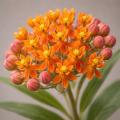 | Butterfly Weed 'Gay Butterflies' {1-Gallon pot} 1 - 9: $51.47 each | 10 - 99: $48.90 each Butterfly Weed 'Gay Butterflies' brings vivid orange flower clusters that draw pollinators and add summer color. Upright, tidy plants reach 24-30 in tall and thrive in full sun to part shade. Temporarily out of stock. Expected date unknown. |
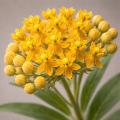 | Butterfly Weed 'Hello Yellow' {1-Gallon pot} 1 - 9: $51.47 each | 10 - 99: $48.90 each Butterfly Weed 'Hello Yellow' brings sunny yellow-orange flower clusters that draw butterflies. Grows 18-24 in. tall and thrives in full sun to part shade in well-drained soils. Temporarily out of stock. Expected date unknown. |
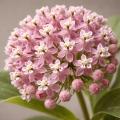 | Common Milkweed {1-Gallon pot} 1 - 9: $51.47 each | 10 - 99: $48.90 each Common Milkweed is a native perennial for pollinator plantings, with fragrant pink to mauve flower clusters in summer and 36-48 in height. Grows best in full sun to part shade and naturalizes. Temporarily out of stock. Expected date unknown. |
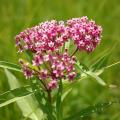 | Swamp Milkweed {1-Gallon pot} 1 - 9: $47.47 each | 10 - 99: $45.10 each Swamp Milkweed, reaching 3 to 4 inches in height, features clusters of pink or purple flowers and thrives in moist, swampy conditions, attracting pollinators like butterflies. Temporarily out of stock. Expected date unknown. |
| Swamp Milkweed {2-Gallon pot} 1 - 9: $53.47 each | 10 - 99: $50.80 each Swamp Milkweed, reaching 3 to 4 inches in height, features clusters of pink or purple flowers and thrives in moist, swampy conditions, attracting pollinators like butterflies. In stock. |
| Swamp Milkweed {tray of 72 cells} 1 trays: $264.47 per tray ($3.67 per plant) Swamp Milkweed, reaching 3 to 4 inches in height, features clusters of pink or purple flowers and thrives in moist, swampy conditions, attracting pollinators like butterflies. Temporarily out of stock. Expected 05/17/2027. |
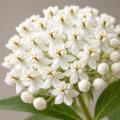 | Swamp Milkweed 'Ice Ballet' {1-Gallon pot} 1 - 9: $51.47 each | 10 - 99: $48.90 each Swamp Milkweed 'Ice Ballet' brings crisp white, fragrant flower clusters to sunny, moist gardens. This native milkweed reaches 36-48 in. tall and supports monarchs, butterflies, and other pollinators in summer. Temporarily out of stock. Expected date unknown. |
| Swamp Milkweed 'Ice Ballet' {2-Gallon pot} 1 - 9: $53.47 each | 10 - 99: $50.80 each Swamp Milkweed 'Ice Ballet' brings crisp white, fragrant flower clusters to sunny, moist gardens. This native milkweed reaches 36-48 in. tall and supports monarchs, butterflies, and other pollinators in summer. In stock. |