 (0)
(0)
New England Aster (Aster)
Aster, in the garden sense, gathers a beloved group of daisy-flowered perennials whose taxonomy has been revised but whose seasonal role remains clear. True Aster species and many plants still commonly called asters carry composite flower heads with a central disk and radiating rays, often in lavender, violet, blue, pink, white, or purple. The foliage is generally simple and alternately arranged, while the habits range from low mats to upright clumps. Their great gift is timing: they bring fresh color as summer declines and the garden begins to rely on seed, grass, and angled light.
The flowers may appear simple, but their abundance creates a finely textured surface alive with bees, butterflies, and other late-season pollinators. Smaller-flowered forms can make a mist of color, while larger daisies read more clearly from a distance. In autumn borders, asters are especially valuable because they harmonize with grasses, goldenrods, sedums, and dark foliage without feeling forced. Their colors often have a coolness that steadies the warmer tones of the season, and their disks bring small points of gold or bronze into the composition.
Cultural needs vary according to the species now or formerly placed in Aster, but most garden asters prefer sun, good air circulation, and soil that does not remain waterlogged. Some spread by rhizomes, some self-sow, and some are prone to powdery mildew when crowded or stressed. Pinching early growth can make taller types bushier, though it also delays bloom. Used thoughtfully, asters give the late garden a breathable abundance: not a single grand gesture, but many small stars opening together, feeding insects and carrying color into the cooler, more reflective weeks of the year.
Asters also help give pollinator gardens a composed late-season finish. Their small disks remain useful when many ornamental flowers have become sterile or exhausted, and their stems can be woven through grasses for support. The best plantings use them as a cool repeated note, not as an isolated afterthought.
See photographs comparing average sizes of some bare roots and potted plants
 | Aromatic Aster {1-Gallon pot} 1 - 9: $38.47 each | 10 - 99: $36.55 each Aromatic Aster forms dense mounds of fragrant foliage topped with blue-purple fall blooms. Grows 12-36 in. tall, thrives in full sun and well-drained soils, and is drought tolerant once established. In stock. |
 | Aromatic Aster 'October Skies' {1-Gallon pot} 1 - 9: $38.47 each | 10 - 99: $36.55 each Aromatic Aster 'October Skies' forms a neat mound topped with masses of sky-blue fall daisies. Aromatic foliage, 12-18 in. tall, thrives in full sun to part shade and well-drained soil. Temporarily out of stock. Expected date unknown. |
 | Aromatic Aster 'Raydon's Favorite' {1-Gallon pot} 1 - 9: $38.47 each | 10 - 99: $36.55 each Aromatic Aster 'Raydon's Favorite' forms a compact, aromatic mound topped with masses of violet-blue daisies in fall. Reaches 24-36 in. tall and performs best in full sun to part shade. Temporarily out of stock. Expected date unknown. |
 | Aromatic Aster 'Twilight Sky' {1-Gallon pot} 1 - 9: $38.47 each | 10 - 99: $36.55 each Aromatic Aster 'Twilight Sky' brings masses of violet-blue daisy blooms in fall above aromatic, sticky foliage. Grows about 36-48 in tall. Plant in full sun; tolerates part shade. In stock. |
 | Blue Wood Aster {1-Gallon pot} 1 - 9: $38.47 each | 10 - 99: $36.55 each Blue Wood Aster brings airy sprays of pale blue fall blooms above heart-shaped foliage, growing 24-60 inches tall. Thrives in full sun to part shade and adds late-season color for pollinators. In stock. |
 | Heath Aster 'Snow Flurry' {1-Gallon pot} 1 - 9: $38.47 each | 10 - 99: $36.55 each Heath Aster 'Snow Flurry' is a low, prostrate aster with clouds of tiny white blooms in late summer to fall. Reaching 4-8 in. tall and spreading 24-48", it shines in full sun to part shade. Temporarily out of stock. Expected date unknown. |
 | New England Aster {1-Gallon pot} 1 - 9: $38.47 each | 10 - 99: $36.55 each New England Aster brings late-summer to fall color with purple blooms and yellow centers. Upright clumps reach 36-72 in. in full sun to part shade. In stock. |
 | New England Aster 'Alma Potchke' {2-Gallon pot} 1 - 9: $48.47 each | 10 - 99: $46.05 each New England Aster 'Alma Potchke' is a late-season perennial with masses of rosy pink, daisy-like blooms on sturdy stems. Reaches about 30-40 in. tall, thriving in full sun to part shade with average moisture and good drainage. In stock. |
 | New England Aster 'Grape Crush' {2-Gallon pot} 1 - 9: $41.47 each | 10 - 99: $39.40 each New England Aster 'Grape Crush' reaches 24-30 inches in height and features striking purple blooms that attract pollinators, ideal for adding vibrant color to garden beds. Temporarily out of stock. Expected date unknown. |
| New England Aster 'Grape Crush' {tray of 72 cells} 1 trays: $243.97 per tray ($3.39 per plant) New England Aster 'Grape Crush' reaches 24-30 inches in height and features striking purple blooms that attract pollinators, ideal for adding vibrant color to garden beds. In stock. |
 | New England Aster 'Kickin® Carmine Red' {2-Gallon pot} 1 - 9: $41.47 each | 10 - 99: $39.40 each New England Aster 'Kickin Carmine Red' brings bold late-season color with carmine-red daisy flowers and sturdy, upright growth. Reaching 24-36 inches tall, it thrives in full sun to part shade for a vivid late-summer to fall display. Temporarily out of stock. Expected date unknown. |
 | New England Aster 'Kickin® Purple' {2-Gallon pot} 1 - 9: $41.47 each | 10 - 99: $39.40 each New England Aster 'Kickin Purple' makes a compact mound topped with deep violet-purple daisies in late summer to fall. Grows about 23-25 in. tall in full sun to part shade. In stock. |
 | New England Aster 'Kickin® Sapphire' {2-Gallon pot} 1 - 9: $41.47 each | 10 - 99: $39.40 each New England Aster 'Kickin Sapphire' brings a late-season burst of blue-purple blooms on sturdy stems, reaching 24-36 in. tall. Grows best in full sun to part shade and shines in borders and pollinator beds. In stock. |
 | New England Aster 'Nachtauge' {2-Gallon pot} 1 - 9: $41.47 each | 10 - 99: $39.40 each New England Aster 'Nachtauge' delivers deep purple, daisy-like late-season blooms with bright centers on sturdy, upright stems. Reaches about 36-72 in. tall, grows best in full sun to part shade, and attracts pollinators. Temporarily out of stock. Expected date unknown. |
 | New England Aster 'Pink Crush' {2-Gallon pot} 1 - 9: $39.47 each | 10 - 99: $37.50 each New England Aster 'Pink Crush' grows 20-24 inches tall, showcasing beautiful pink flowers that add a soft, vibrant touch to garden landscapes and attract butterflies. Temporarily out of stock. Expected date unknown. |
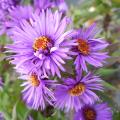 | New England Aster 'Purple Dome' {1-Gallon pot} 1 - 9: $31.47 each | 10 - 99: $29.90 each New England Aster 'Purple Dome' reaches 18-24 inches in height, featuring dense, vibrant purple blooms that create a striking focal point in garden beds and attract pollinators. Temporarily out of stock. Expected date unknown. |
| New England Aster 'Purple Dome' {2-Gallon pot} 1 - 9: $41.47 each | 10 - 99: $39.40 each New England Aster 'Purple Dome' reaches 18-24 inches in height, featuring dense, vibrant purple blooms that create a striking focal point in garden beds and attract pollinators. Temporarily out of stock. Expected date unknown. |
| New England Aster 'Purple Dome' {tray of 72 cells} 1 flat of 72 cells: $220.32 ($3.06 per plant) New England Aster 'Purple Dome' reaches 18-24 inches in height, featuring dense, vibrant purple blooms that create a striking focal point in garden beds and attract pollinators. Temporarily out of stock. Expected 11/16/2026. |
 | New England Aster 'Vibrant Dome' {2-Gallon pot} 1 - 9: $48.47 each | 10 - 99: $46.05 each New England Aster 'Vibrant Dome' is a compact perennial with bright pink-purple daisy blooms for late-season color. Grows about 18-24 in. tall and thrives in full sun to part shade. Temporarily out of stock. Expected date unknown. |
 | New York Aster {1-Gallon pot} 1 - 9: $38.47 each | 10 - 99: $36.55 each New York Aster brings late-season color with clouds of purple daisy blooms on sturdy stems. Grows about 12-18 inches tall, thriving in full sun to part shade with consistently moist, well-drained soil. In stock. |
 | Smooth Aster {1-Gallon pot} 1 - 9: $38.47 each | 10 - 99: $36.55 each Smooth Aster is a tough native perennial with purplish-blue fall blooms for pollinators. Grows 24-48 inches tall and thrives in full sun to part shade, adding late-season color to borders and naturalized areas. In stock. |
 | White Wood Aster {1-Gallon pot} 1 - 9: $38.47 each | 10 - 99: $36.55 each White Wood Aster forms airy sprays of small white flowers in late summer to fall over dark stems and green foliage. A tough woodland perennial for part shade to shade, growing 12-36 inches tall. In stock. |
 | White Wood Aster 'Eastern Star' {1-Gallon pot} 1 - 9: $38.47 each | 10 - 99: $36.55 each White Wood Aster 'Eastern Star' brings airy white, starry blooms in late summer to fall for shady gardens. Compact at 18-24 in. tall, it thrives in part shade to shade with well-drained soil. In stock. |