 (0)
(0)
American Hazelnut (Corylus)
Corylus, the hazels and filberts, brings edible promise and early-season texture to shrubs or small trees of generous habit. The leaves are broad, rounded to heart-shaped, and usually toothed, with a slightly pleated surface that gives summer foliage a soft, woodland fullness. In late winter or early spring, before the leaves expand, male catkins lengthen and hang from the branches in pale yellow or tan tassels. They move in cold air with a quiet liveliness, one of the first signs that the woody garden is beginning to stir.
The female flowers are tiny, often marked by red stigmas, and easily missed, yet they lead to nuts enclosed in husks that may be smooth, fringed, or dramatically cut. In cultivated filberts, nut production depends on suitable varieties, pollination, and climate, while ornamental forms may be grown for contorted stems, purple leaves, or golden catkins. Corylus has a pleasing informality, suited to hedgerows, woodland margins, edible landscapes, and wildlife plantings. Its beauty is practical and textural rather than glossy.
Most hazels prefer sun to part shade and well-drained, moderately fertile soil, with better nuting in good light. Many sucker from the base and can form thickets unless managed; renewal pruning is often part of their care. Eastern filbert blight is a serious disease for some European hazel cultivars in North America, so resistant selections matter. In a garden that values food and structure together, Corylus offers early catkins, broad leaves, useful nuts, and a branching habit that feels sheltered, generous, and quietly abundant.
The contorted forms are most compelling in winter, when the twisted stems can be seen without leaves. Underplanting them with low bulbs or simple groundcovers keeps the branching visible. Fruit-bearing hazels, by contrast, benefit from a more orchard-like discipline, where pruning, pollination, and access to nuts shape the design. The nuts also give the shrub a practical autumn presence, connecting hedgerow beauty with food, wildlife, and the older pleasures of useful woody plants.
See photographs comparing average sizes of some bare roots and potted plants
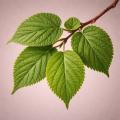 | American Hazelnut {3-Gallon pot} 1 - 9: $142.47 each | 10 - 99: $135.35 each American Hazelnut is a multi-stem native shrub with early spring catkins, edible nuts, and yellow-to-red fall color. Reaches 10-16 ft tall and grows best in full sun to part shade. Temporarily out of stock. Expected date unknown. |
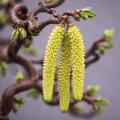 | Harry Lauder's Walking Stick 'Contorta' {3-Gallon pot} 1 - 9: $232.97 each | 10 - 99: $221.32 each Twisted branches make Harry Lauder's Walking Stick 'Contorta' a standout for winter interest, with dangling catkins in late winter. Grows about 8-10 ft tall, best in full sun to part shade. In stock. |