 (0)
(0)
American Persimmon (Diospyros)
Diospyros gives the garden a kind of sober richness, whether it appears as a hardy persimmon with broad summer shade or as a more tender species valued for dark, beautifully grained ebony wood. The leaves are usually simple, oval to oblong, and cleanly arranged along the stems, often with a soft polish that makes the canopy look composed rather than fluttering. On many trees the young growth has a fresh, pale cast before settling into deeper green, and in temperate species autumn may bring warm yellow, copper, or wine-colored tones that suit the fruiting season.
The flowers are not the principal ornament for most gardeners, yet they reward close attention: small, waxy, often cream-colored bells or urns tucked into the leaf axils, sometimes carried on separate male and female plants. Where pollination and climate permit, the fruit becomes the memorable display. Persimmons ripen from firm green to orange, amber, or dusky red, hanging after the leaves begin to thin and giving the bare branches a restrained, luminous weight. Some species bear fruit that is edible only when fully softened, while others are chiefly ornamental or ecological rather than culinary.
A Diospyros tree asks to be placed with patience, space, and an eye for long seasonal development. It is not usually a plant for instant drama; its beauty gathers through the year in shadow, leaf substance, ripening fruit, and the dignified structure of mature wood. Gardeners should note the sex of cultivated selections where fruit is desired, the possible mess of fallen persimmons near paving, and the need to match species carefully to climate. Used well, the genus offers a cultivated balance of usefulness and poise: shelter in summer, color in autumn, and a quiet feast for people, birds, or wildlife as the year cools.
Its slower, fruit-centered rhythm also makes it a useful counterweight to showier ornamental cycles. Spring bulbs may pass beneath it, summer perennials may rise at its feet, and still the tree continues toward the quieter drama of ripening. In smaller gardens, grafted or compact selections are preferable to seedling trees of uncertain size and sex. Where space allows, Diospyros gives the gardener something increasingly rare: a plant that feels ornamental, edible, ecological, and contemplative at once.
See photographs comparing average sizes of some bare roots and potted plants
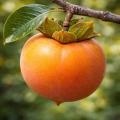 | American Persimmon {3-Gallon pot} 1 - 9: $135.97 each | 10 - 99: $129.17 each American Persimmon is a native persimmon tree with rugged bark, glossy green leaves, and orange fruit that sweetens after frost. Grows 30-40 ft tall and adapts to full sun, part shade, or shade in zones 4-9. In stock. |