 (0)
(0)
Joe Pye Weed (Eupatorium)
Eupatorium, in the garden sense, includes bonesets and related perennials whose taxonomic boundaries have shifted over time, so careful naming matters. Many true Eupatorium species are herbaceous plants with opposite or whorled leaves, upright stems, and clusters of small white to pinkish flowers. Their foliage is often simple, toothed, and fresh green, giving the plant a clean vertical presence in moist meadows, rain gardens, woodland edges, and naturalistic borders. The effect is more ecological than ornamental in a conventional florist's way, but that ecological quality has its own composed beauty.
The flower clusters are made of many small florets gathered into flat-topped or softly domed heads, often appearing in late summer or autumn when pollinators are active and the border needs breadth. Rather than providing large petals, Eupatorium offers texture: a pale, nectar-rich surface that bees, wasps, butterflies, and other insects can work easily. Some species have a slightly wild, medicinal history, and the common name boneset reflects traditional use rather than a recommendation for casual home remedy. The plant's visual value lies in its pale bloom, its sturdy stems, and its ability to make moist ground feel inhabited.
Most garden-worthy species prefer sun to part shade and soil that does not become severely dry, though tolerances vary. Because related genera such as Eutrochium and Conoclinium are often confused with Eupatorium, gardeners should confirm the plant they are actually buying, especially when height, flower color, or spread is important. Some species may self-sow, while others remain more restrained. Used well, Eupatorium gives a planting a quiet late-season generosity: not a jewel, not a plume, but a living platform of small flowers, textured leaves, and insect movement in the softening light of the year.
In contemporary planting, Eupatorium works best when allowed to participate in a community rather than stand as a specimen. Its pale flowers can calm the stronger purples and golds of late summer, while its stems give enough height to keep moist plantings from seeming flat. Leaving some seed heads supports the season's slow decline into winter, though self-sown seedlings may need thinning. The genus offers an honest, habitat-rich beauty that becomes more interesting the more closely it is observed.
See photographs comparing average sizes of some bare roots and potted plants
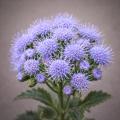 | Blue Mistflower {2-Gallon pot} 1 - 9: $48.47 each | 10 - 99: $46.05 each Blue Mistflower brings soft, fluffy blue-purple flower clusters from late summer to frost. Grows about 24-36 inches tall, thriving in full sun to part shade, especially in moist soils and along pond edges. Temporarily out of stock. Expected date unknown. |
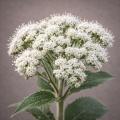 | Boneset {2-Gallon pot} 1 - 9: $48.47 each | 10 - 99: $46.05 each Boneset brings flat clusters of small white blooms in late summer. A moisture-loving native for full sun to part shade, it matures about 36-48 inches tall and fills in neatly. Temporarily out of stock. Expected date unknown. |
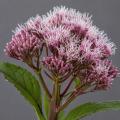 | Hollow Joe Pye Weed {1-Gallon pot} 1 - 9: $31.47 each | 10 - 99: $29.90 each Hollow Joe Pye Weed is a tall native perennial with domed mauve-pink blooms that draw butterflies and birds. Grows 48-84 in. Best in full sun to part shade with consistently moist soil. Temporarily out of stock. Expected date unknown. |
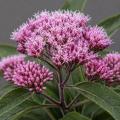 | Hollow Joe Pye Weed 'Jojo' {2-Gallon pot} 1 - 9: $41.97 each | 10 - 99: $39.87 each Hollow Joe Pye Weed 'Jojo' forms sturdy clumps topped with domed pink-purple flower clusters in late summer, drawing butterflies. Grows about 36-48 in. tall in full sun to part shade. Temporarily out of stock. Expected date unknown. |
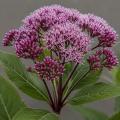 | Joe Pye Weed {1-Gallon pot} 1 - 9: $38.47 each | 10 - 99: $36.55 each Joe Pye Weed forms tall stems topped with mauve-pink flower heads in late summer, drawing butterflies. Reaches 60-84 in. Grow in full sun to part shade with consistently moist soil. Temporarily out of stock. Expected date unknown. |
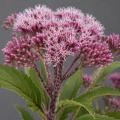 | Joe Pye Weed 'Gateway' {2-Gallon pot} 1 - 9: $41.47 each | 10 - 99: $39.40 each Joe Pye Weed 'Gateway' forms a tall, sturdy clump with mauve-pink flower domes from summer into early fall, reaching 60-72 in. Best in moist soils in full sun to part shade, and a magnet for butterflies. Temporarily out of stock. Expected date unknown. |
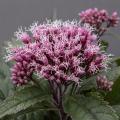 | Joe Pye Weed 'Little Joe' {2-Gallon pot} 1 - 9: $48.47 each | 10 - 99: $46.05 each Joe Pye Weed 'Little Joe' brings mauve-purple blooms for summer pollinators, staying a compact 36-48 in. tall. Grow it in full sun to part shade with consistently moist soil for best flowering. In stock. |
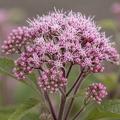 | Joe Pye Weed 'Little Pye' {1-Gallon pot} 1 - 9: $31.47 each | 10 - 99: $29.90 each Compact Joe Pye Weed 'Little Pye' with rosy-mauve flower clusters in late summer. Stays a tidy 12-14 in tall, blooming best in full sun to part shade with consistently moist soil. Temporarily out of stock. Expected date unknown. |
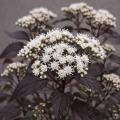 | White Snakeroot 'Chocolate' {2-Gallon pot} 1 - 9: $41.47 each | 10 - 99: $39.40 each White Snakeroot 'Chocolate' brings rich dark foliage and airy white late-summer blooms. Upright clumps reach 36-60 in. tall and grow best in full sun to part shade in moist soils. In stock. |