 (0)
(0)
Crape Myrtle (Lagerstroemia)
Lagerstroemia, the crape myrtles, brings together summer bloom, handsome bark, and heat-loving endurance. Depending on species and cultivar, plants may be shrubs, multi-stemmed small trees, or taller trees, with smooth trunks that exfoliate in patches of cinnamon, cream, gray, or tan. The leaves are simple and often glossy, emerging bronze or red in some selections before turning green. Even when not in flower, a well-grown crape myrtle can have a sculptural elegance, especially when pruned to reveal its natural trunk structure rather than forced into harsh stubs.
The flowers are gathered in large panicles, with crinkled petals that give the genus its common name. Colors include white, pink, lavender, red, purple, and watermelon tones, often blooming through the heat of summer when many shrubs have paused. In autumn, foliage may turn yellow, orange, or red, adding another season before the bark takes visual command in winter. The flower display can be lavish, but the most refined specimens balance bloom with branch line, bark pattern, and foliage scale.
Lagerstroemia prefers full sun, warmth, and well-drained soil, and many selections tolerate drought once established. Cold hardiness varies widely, as does resistance to powdery mildew and other diseases, so cultivar choice is important. Pruning should be thoughtful; severe topping produces coarse regrowth and destroys the plant's natural dignity. In regions where it is hardy, crape myrtle is invaluable for streets, courtyards, and sunny gardens that need color in high summer. Its beauty is cumulative: polished leaves, crepe-textured flowers, mottled bark, and a confident ease in heat.
The winter structure of Lagerstroemia is often the mark of good cultivation. When trunks are revealed and branch lines are preserved, the plant remains beautiful long after flowers have browned. Smooth bark looks particularly refined near evergreen hedges, stone, or simple groundcovers. Selecting a cultivar for mature size prevents the pruning abuses that shorten its grace. Crape myrtle is at its best when heat, bloom, bark, and silhouette are allowed to cooperate rather than compete.
See photographs comparing average sizes of some bare roots and potted plants
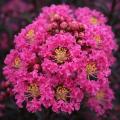 | Crape Myrtle 'Center Stage® Pink' {3-Gallon pot} 1 - 9: $127.97 each | 10 - 99: $121.57 each Crape Myrtle 'Center Stage® Pink' features deep burgundy foliage and hot pink summer blooms on a compact shrub or small tree. Grows 6-12 ft tall and performs best in full sun for richest color and flowers. In stock. |
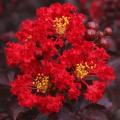 | Crape Myrtle 'Center Stage® Red' {3-Gallon pot} 1 - 9: $127.97 each | 10 - 99: $121.57 each Crape Myrtle 'Center Stage® Red' is a dramatic crape myrtle with deep, dark foliage and vivid red summer blooms. Reaching 6-12 ft tall, it shines in full sun and brings bold color to beds, borders, and hedges. In stock. |
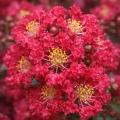 | Crape Myrtle 'Greatmyrtle™ Cherry Delight' {3-Gallon pot} 1 - 9: $137.47 each | 10 - 99: $130.60 each Crape Myrtle 'Greatmyrtle™ Cherry Delight' is compact with vivid cherry-red summer blooms and a neat mounded habit. Reaches 28-30 inches tall and thrives in full sun. Temporarily out of stock. Expected date unknown. |