 (0)
(0)
Creeping Raspberry (Rubus)
Rubus, the brambles, includes raspberries, blackberries, dewberries, and many wild relatives, a genus of canes, flowers, and aggregate fruits with a strong appetite for space. Stems may be arching, erect, trailing, biennial, or perennial at the crown, often armed with prickles though thornless cultivars exist. Leaves are usually compound, with toothed leaflets and a fresh to dark green surface. The plant’s habit can be unruly, but within that vigor is a beautiful structure: canes rising, bending, rooting, flowering, and fruiting in a rhythm that is both botanical and agricultural.
The flowers are generally white or pink, with five petals and many stamens, attractive to bees and other pollinators. They give way to fruits made of numerous drupelets, ripening through red, purple, black, amber, or golden tones depending on species and cultivar. The fruits are tactile and fragrant, softening when ripe and inviting harvest at close range. Some species also offer handsome winter canes, glaucous stems, or strong autumn color. Rubus is rarely tidy by nature, yet its seasonal sequence is deeply satisfying: blossom, green fruit, ripening color, and the intimate pleasure of picking.
Most cultivated brambles prefer sun, good drainage, fertile soil, and consistent moisture, with pruning tailored to whether canes fruit on first-year or second-year growth. Wild and ornamental species can spread aggressively by suckers, seeds, or rooting cane tips, so placement and maintenance matter. Birds and mammals relish the fruit, and dense thickets provide habitat as well as scratches. In productive gardens, Rubus can be trained into order on wires or supports; in wilder edges, it can be allowed more freedom. Its beauty is generous but not demure, bringing fruit, flower, thorn, and shelter in equal measure.
Brambles become far more graceful when their canes are trained with intention. Wires, posts, arches, or a dedicated thicket edge let flowering and fruiting wood be separated, harvested, and renewed. Without that structure, the genus can feel merely thorny; with it, the cycle of new cane, flower, fruit, and pruning becomes legible. Order does not suppress Rubus so much as reveal its productivity.
See photographs comparing average sizes of some bare roots and potted plants
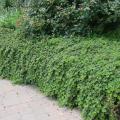 | Creeping Raspberry {3 1/2 in. Pots min 25} 25 - 249: $6.57 each | 250 - 999: $6.27 each (Creeping Bramble, Creeping Rubus, Crinkle-leaf Creeper) This hardy, soil-binding, trailing groundcover is an afghan of green in season and a blanket of emerald in fall. The perfect erosion control alternative to traditional ivy. Mature height 2-4". In stock. |
| Creeping Raspberry {flat of 12 Pots - quarts} 1 flat of 12 quarts: $89.47 ($7.46 per plant) (Creeping Bramble, Creeping Rubus, Crinkle-leaf Creeper) This hardy, soil-binding, trailing groundcover is an afghan of green in season and a blanket of emerald in fall. The perfect erosion control alternative to traditional ivy. Mature height 2-4". In stock. |