 (0)
(0)
Cherry (Prunus)
Prunus is a large genus of cherries, plums, peaches, apricots, almonds, and their ornamental relatives, united by a springtime brilliance that can be either delicate or lavish. Habits range from small shrubs to substantial trees, with leaves that are usually simple, serrated, and arranged alternately along the stems. Bark can be a major ornament, especially in cherries with polished mahogany, copper, or banded surfaces. Even before bloom, many Prunus species have a fine twiggy structure that carries buds in visible anticipation of spring.
The flowers are generally five-petaled and borne singly, in clusters, or in racemes, often white to pink, though double and colored cultivars greatly expand the display. Their effect can be cloudlike, fragrant, or crisply orchard-like, depending on species. After pollination, many produce drupes: cherries, plums, peaches, almonds, or smaller fruits that may feed birds or, in selected edible forms, people. Autumn color can be handsome in some species, and the winter silhouette of a well-pruned tree often remains elegant long after petals have fallen.
Prunus needs careful selection and siting because disease susceptibility, size, fruit drop, suckering, and climate adaptation vary widely. Most prefer sun, good air circulation, and well-drained soil, with pruning timed to reduce disease risk and preserve natural form. Leaves, pits, and wilted foliage of many species contain cyanogenic compounds and can be dangerous to livestock or pets if eaten in quantity. In gardens, the genus rewards thoughtful placement: near a path for bark and blossom, in orchards for fruit, or as a specimen where spring bloom can be enjoyed without crowding. Its beauty is seasonal, but the season can be unforgettable.
The genus also asks a designer to think about aftermath. Petals fall, fruits drop or ripen, leaves may spot, and branches cast shade; these are not reasons to avoid Prunus but realities to include. A tree placed over lawn, gravel, or underplanting that can accept this seasonal litter will feel generous rather than messy. The most refined Prunus planting lets bloom be brilliant while the rest of the year remains well considered.
See photographs comparing average sizes of some bare roots and potted plants
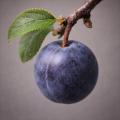 | Beach Plum {2-Gallon pot} 1 - 9: $86.97 each | 10 - 99: $82.62 each Beach Plum is a tough, salt-tolerant shrub with spring white flowers and late-summer purple plums. Grows about 6-7 ft tall and wide. Best in full sun to part shade. Temporarily out of stock. Expected date unknown. |
| Beach Plum {3-Gallon pot} 1 - 9: $102.47 each | 10 - 99: $97.35 each Beach Plum is a tough, salt-tolerant shrub with spring white flowers and late-summer purple plums. Grows about 6-7 ft tall and wide. Best in full sun to part shade. Temporarily out of stock. Expected date unknown. |
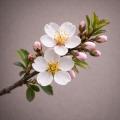 | Bush Cherry 'Easy As Pie®' {3-Gallon pot} 1 - 9: $131.97 each | 10 - 99: $125.37 each Easy to grow and easy to harvest, Bush Cherry 'Easy As Pie®' is a compact bush cherry with showy white spring blooms and abundant tart red cherries. Grows 36-60 in. tall in full sun. In stock. |
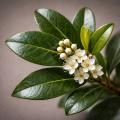 | Cherry Laurel 'Nana' {3-Gallon pot} 1 - 9: $178.97 each | 10 - 99: $170.02 each Cherry Laurel 'Nana' is a dense, glossy evergreen shrub for hedges and foundations, with spring flower spikes and 72-96 in. height. Grows in full sun to full shade and takes pruning well. Temporarily out of stock. Expected date unknown. |
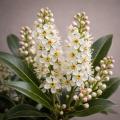 | Cherry Laurel 'Otto Luyken' {3-Gallon pot} 1 - 9: $234.97 each | 10 - 99: $223.22 each Cherry Laurel 'Otto Luyken' forms a compact evergreen shrub with glossy leaves and fragrant white spring flower spikes. Reaches 36-48 in. tall, thriving in full sun to partial shade for hedges or borders. In stock. |
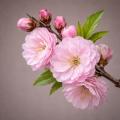 | Dwarf Flowering Almond 'Rosea' {3-Gallon pot} 1 - 9: $102.47 each | 10 - 99: $97.35 each Dwarf Flowering Almond 'Rosea' is a compact flowering shrub with rosy-pink spring blooms along bare stems. Reaches about 60-72 in. tall and performs best in full sun to part shade for heavy flowering. In stock. |
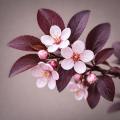 | Purpleleaf Sand Cherry {3-Gallon pot} 1 - 9: $102.47 each | 10 - 99: $97.35 each Purpleleaf Sand Cherry features rich purple foliage and fragrant spring flowers on a compact shrub or small tree. Grows 72-120 in. tall, best in full sun to part shade for strongest leaf color. In stock. |
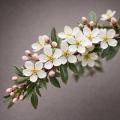 | Sand Cherry 'Jade Parade' {3-Gallon pot} 1 - 9: $103.47 each | 10 - 99: $98.30 each Sand Cherry 'Jade Parade' is a spreading sand cherry with spring white blooms and glossy blue-green foliage. A tough, low shrub (24-36 in.) for full sun that finishes with dark fruit birds enjoy. In stock. |