(0)
(0)
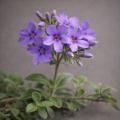
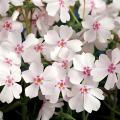
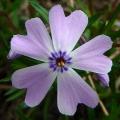
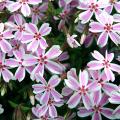
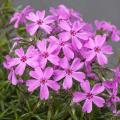
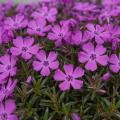
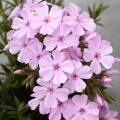
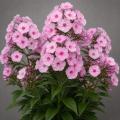
Creeping Phlox {1-Gallon pot}
|
|

Phlox stolonifera (AKA Armeria reptans, Phlox crassifolia, Phlox obovata, Phlox prostrata, Phlox reptans, Phlox reptans var. crassifolia, Creeping Woodland Phlox, Star Rock Phlox, Moss Phlox)
Pronunciation: FLOKS stoh-loh-NIF-er-uh
Product: 202174
Product: 202174
Shipping description: This product cannot be shipped to ID, and cannot be shipped from early May to early October to AZ, CA, MT, NV, OR, UT, or WA.
NOTE: Shipments to AZ, CA, MT, NV, OR, UT, or WA require 7-10 days to prepare the required paperwork.
NOTE: Shipments to AZ, CA, MT, NV, OR, UT, or WA require 7-10 days to prepare the required paperwork.
FREE SHIPPING!
| 1 - 9: $38.47 each | 10 - 99: $36.55 each | 100+: $34.62 each |
In stock.
|
|||
|
Content note: AI-assisted: Some images, descriptions, or plant specifications on this page may have been created or revised with the assistance of AI. This content is checked, but inaccuracies may remain.
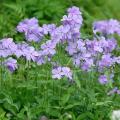
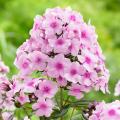
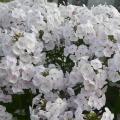
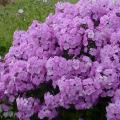
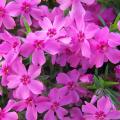
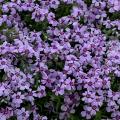
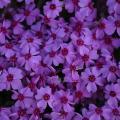
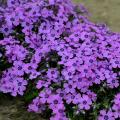
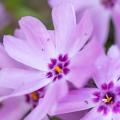
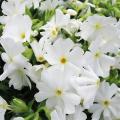
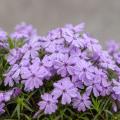
Please also note: Images show mature plants; young plants may take several years to develop similar colors. Flower and foliage colors vary with season, growing conditions, and photography. If this plant is new to you, or you would like a broader sense of its natural color range, please view additional photographs [here], and feel free to contact us with questions. |
 Full sun
  Part sun