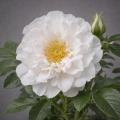
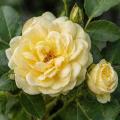
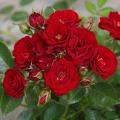
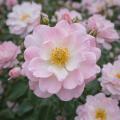
(0)
(0)
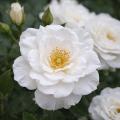
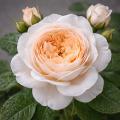
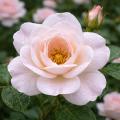
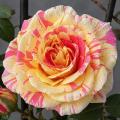
Rugosa Rose {2-Gallon pot}
|
|

Rosa rugosa (AKA Rosa andreae, Rosa coruscans, Rosa pubescens, Beach Rose, Japanese Rose, Rugose Rose, Beach Tomato, Sea Tomato)
Pronunciation: RO-zuh roo-GO-suh
Product: 202637
Product: 202637
Shipping description: This product cannot be shipped to ID, and cannot be shipped from early May to early October to AZ, CA, MT, NV, OR, UT, or WA.
NOTE: Shipments to AZ, CA, MT, NV, OR, UT, or WA require 7-10 days to prepare the required paperwork.
NOTE: Shipments to AZ, CA, MT, NV, OR, UT, or WA require 7-10 days to prepare the required paperwork.
FREE SHIPPING!
| 1 - 9: $69.47 each | 10 - 99: $66.00 each | 100+: $62.52 each |
In stock.
|
|||
| Content note — AI-assisted: Some images, descriptions, and specs on this page may have been generated with AI and might not be perfect. If you’re new to this plant, please check verified photos [here] and feel free to contact us with questions. |
Also available as:
- Rugosa Rose {3-Gallon pot}
$83.97 or less
In stock.
 Full sun
  Part sun